
Best Fabric Shavers for Sweaters and Upholstery
Compare practical features, fit and everyday use.
Reviewed and updated October 30, 2026
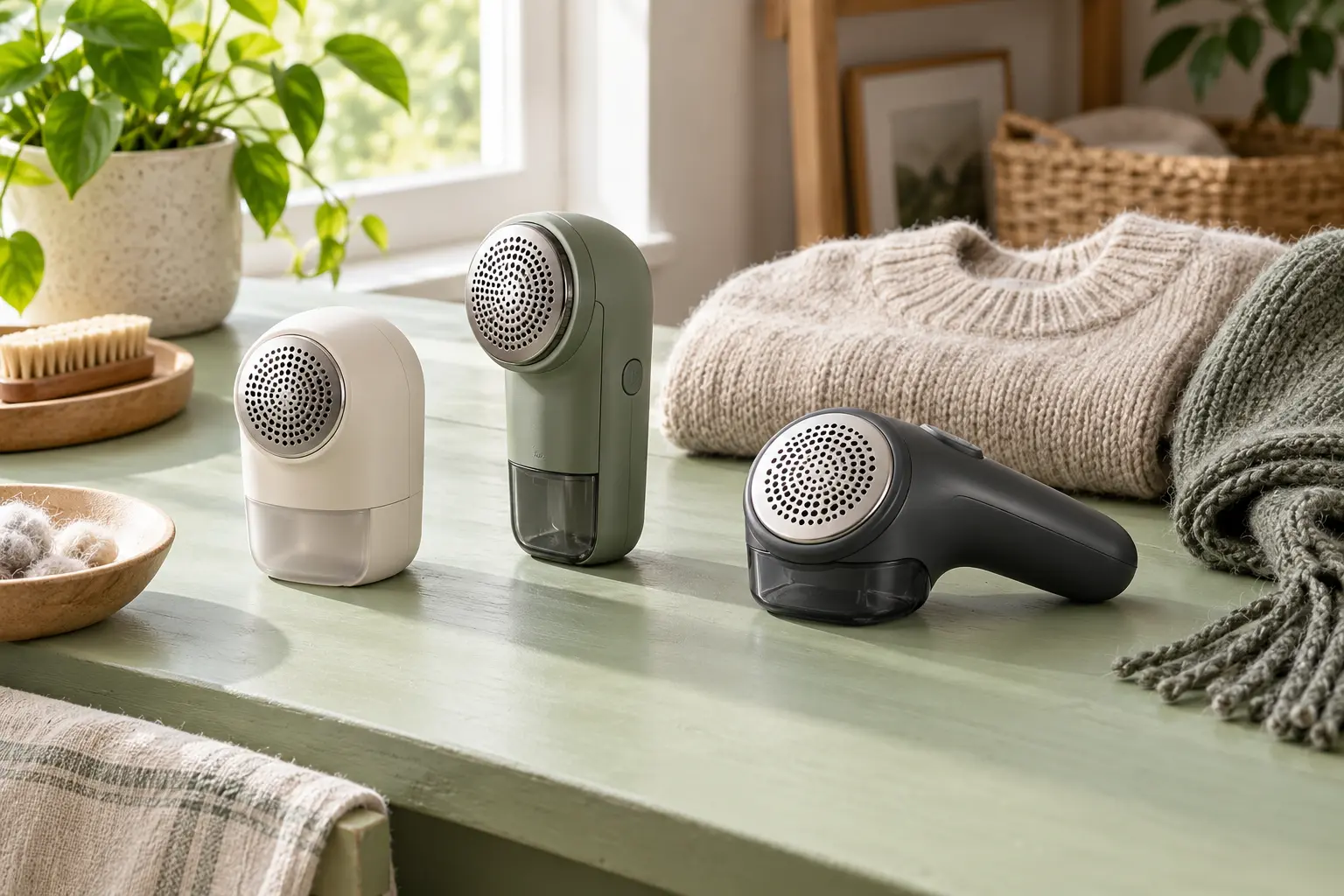
A fabric shaver can remove surface pills, but blade design, guard adjustment, fabric support, and cleanup determine whether the result looks refreshed or damaged.
This guide was reviewed against current official product information where a model is discussed. Specifications and packages can change, so verify the exact label or manufacturer page before acting.
Know what a fabric shaver removes
Pills are small tangles of fibers on a fabric surface. A powered shaver trims those raised fibers through a perforated guard; a manual tool lifts or cuts them by hand. Neither restores worn yarn or repairs thinning fabric. Test an inconspicuous area and stop if the knit pulls, snags, or opens. Make the decision from the real routine rather than a feature list. Check the current instructions, practice the step in a controlled setting, and change one variable at a time. That approach makes results easier to judge and helps prevent an attractive shortcut from becoming a repeated mistake.
Consider a Conair battery shaver
Conair’s current fabric shaver line includes compact handheld designs with a removable lint catcher and adjustable distance settings on some models. A broad head can cover sweaters quickly, while guard adjustment helps control contact. Confirm the exact model because similar housings may use different batteries, accessories, and settings. A useful comparison separates what can be verified from what is merely advertised. Record the model, material, setting, or method you actually used, then review the result before repeating it. Small notes are more dependable than memory when conditions change from one session to the next.
Consider a Gleener manual tool
Gleener’s manual fabric-care tools use interchangeable edges intended for different fabric weights plus a lint brush. They avoid batteries and give the user direct control, but technique matters. Use the edge recommended by the maker, keep the garment supported, and avoid aggressive repeated strokes over seams or decorative yarn. Keep the process simple enough to repeat. Prepare the workspace first, follow the relevant maker or safety directions, and stop when something looks, smells, sounds, or feels wrong. A careful routine usually produces a better result than adding more steps without a clear purpose.
Compare motor, head, and guard
A stronger motor is useful only when the guard stays stable and the fabric remains flat. Look for a comfortable grip, removable debris bin, clear blade access, and replacement-part information. A small head can work around seams; a large head covers broad panels. Adjustable height is helpful for varied textures. Make the decision from the real routine rather than a feature list. Check the current instructions, practice the step in a controlled setting, and change one variable at a time. That approach makes results easier to judge and helps prevent an attractive shortcut from becoming a repeated mistake.
Prepare the garment first
Read the care label, empty pockets, fasten hardware that could catch, and place the clean dry garment on a firm flat surface. Smooth without stretching. Work in good light so holes, loose threads, embroidery, and intentionally brushed texture are visible before the tool reaches them. A useful comparison separates what can be verified from what is merely advertised. Record the model, material, setting, or method you actually used, then review the result before repeating it. Small notes are more dependable than memory when conditions change from one session to the next.
Use light overlapping passes
Let the guard touch the surface gently and move in short overlapping paths. Do not press down to chase one stubborn pill. Empty the catcher before it overfills and inspect the fabric often. Around seams, cuffs, cables, and thin elbows, switch to a safer manual method or leave the area alone. Keep the process simple enough to repeat. Prepare the workspace first, follow the relevant maker or safety directions, and stop when something looks, smells, sounds, or feels wrong. A careful routine usually produces a better result than adding more steps without a clear purpose.
Handle upholstery conservatively
Furniture fabric can hide seams, backing, and tension changes. Check the furniture care code and manufacturer guidance, test behind a cushion, and keep the surface taut without pulling. Do not use a garment shaver on leather, suede, looped textiles, or any material the tool maker excludes. Make the decision from the real routine rather than a feature list. Check the current instructions, practice the step in a controlled setting, and change one variable at a time. That approach makes results easier to judge and helps prevent an attractive shortcut from becoming a repeated mistake.
Clean and store the shaver
Switch off and remove batteries or disconnect charging as directed before opening the head. Use the supplied brush, not fingers, around blades. Replace the screen or blade when damaged or dull. Store the clean dry tool with its cover on, away from children and loose items that could press the switch. A useful comparison separates what can be verified from what is merely advertised. Record the model, material, setting, or method you actually used, then review the result before repeating it. Small notes are more dependable than memory when conditions change from one session to the next.
Choose control over speed
Pick a current Conair model when powered coverage and an adjustable guard fit the wardrobe, a Gleener tool when manual control and no batteries appeal, or another shaver with documented replacement parts. Verify the exact model, then use the paid Amazon searches below. Availability and prices are intentionally omitted. Keep the process simple enough to repeat. Prepare the workspace first, follow the relevant maker or safety directions, and stop when something looks, smells, sounds, or feels wrong. A careful routine usually produces a better result than adding more steps without a clear purpose.
Quick checklist
- Read the fabric and tool directions.
- Test a hidden area first.
- Support fabric on a flat surface.
- Use light overlapping passes.
- Avoid seams and loose threads.
- Clean blades only when powered off.
Why these checkpoints matter
- Read the fabric and tool directions. This defines the starting condition and prevents the rest of the process from resting on an assumption.
- Test a hidden area first. This narrows the choice to evidence you can verify on the exact label, model, or scene.
- Support fabric on a flat surface. This checkpoint reduces avoidable risk before another variable is introduced.
- Use light overlapping passes. This keeps the routine compatible with the person, product, material, or equipment involved.
- Avoid seams and loose threads. This creates a repeatable step instead of relying on memory or marketing language.
- Clean blades only when powered off. This final review catches changes in condition, availability, or instructions before the next use.
Common questions
Can I shave cashmere?
Only when both the garment maker and tool instructions allow it; use the gentlest method and test first.
Can a fabric shaver repair thinning fabric?
No. It removes surface pills and can worsen a weak area if used aggressively.
Should I press harder on stubborn pills?
No. Repeated light passes are safer; stop rather than forcing the blade toward the fabric.
Compare current Amazon listings
Conair fabric shavers
Confirm the exact product, model or size, package contents, seller, current price, and availability.
Gleener Ultimate Fuzz Remover
Confirm the exact product, model or size, package contents, seller, current price, and availability.
adjustable fabric shavers
Confirm the exact product, model or size, package contents, seller, current price, and availability.