
How to Clean a Garment Steamer Water Tank
Practical guidance for caring for your clothes and equipment.
Reviewed and updated October 30, 2026
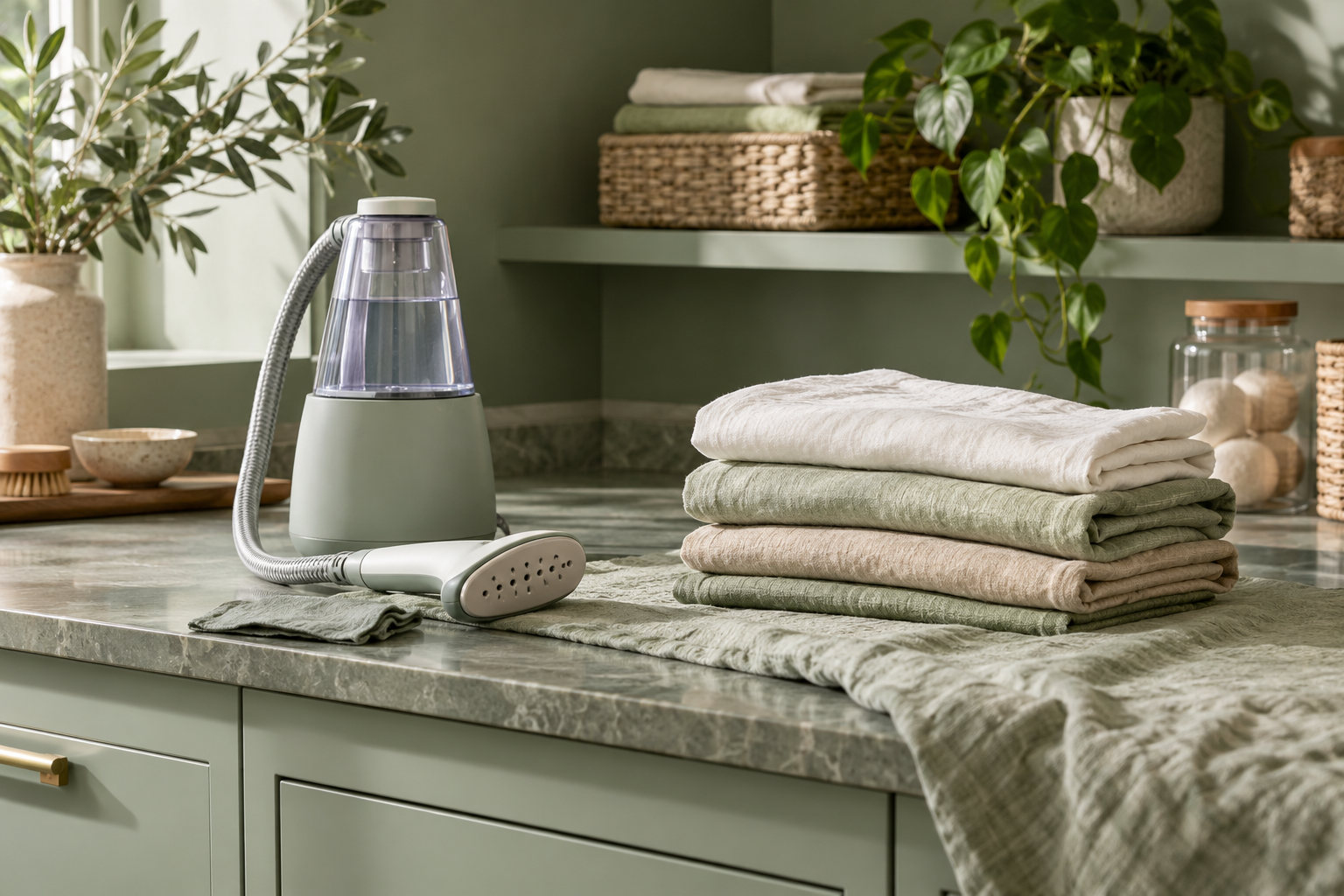
Mineral residue, stale water, and improper storage can shorten a garment steamer’s useful life. The safe cleaning method depends on the exact tank, heating chamber, and manufacturer directions.
This guide was reviewed against current official product information where a model is discussed. Specifications and packages can change, so verify the exact label or manufacturer page before acting.
Unplug and cool completely
Turn the steamer off, unplug by the plug, and let every part cool on a heat-safe surface. Do not open a pressurized cap, remove a hot tank, or pour water from a hot boiler. Cooling time belongs to the cleaning process, not as an optional delay. Make the decision from the real routine rather than a feature list. Record the exact starting condition, follow the relevant instructions, and change one variable at a time. This makes the result easier to judge and keeps an attractive shortcut from becoming a repeated mistake.
Check the water requirement
Some steamers specify distilled water, some allow tap water under certain conditions, and others prohibit additives. Use the exact manual rather than a universal rule. Never add fragrance, starch, essential oil, fabric softener, or cleaning chemicals unless the manufacturer explicitly directs it. A useful comparison separates what can be verified from what is merely advertised. Note the model, material, setting, or method actually used, then review the result before repeating it. Small notes are more dependable than memory when conditions change.
Empty removable tanks correctly
Remove the tank only when permitted, open it over a sink, and drain through the intended opening. Rinse with the water type and method the manual specifies. Do not push brushes, cloth, or tools through valves because seals and float mechanisms can be damaged. Keep the process simple enough to repeat. Prepare the workspace first, follow safety and care directions, and stop when something looks, smells, sounds, or feels wrong. A careful routine usually produces a better result than adding steps without a clear purpose.
Descale only with an approved method
Vinegar and commercial descalers are not automatically safe for every steamer. Acids can affect seals, coatings, hoses, and heating surfaces. If the maker provides a descaling ratio and cycle, measure it precisely and complete every rinse. Otherwise use authorized service. Make the decision from the real routine rather than a feature list. Record the exact starting condition, follow the relevant instructions, and change one variable at a time. This makes the result easier to judge and keeps an attractive shortcut from becoming a repeated mistake.
Clean the tank exterior separately
Wipe the outside with a barely damp soft cloth while the unit is unplugged and cool. Keep water away from electrical contacts, switches, vents, cords, and the base. Dry contact areas fully before reinstalling a removable tank. A useful comparison separates what can be verified from what is merely advertised. Note the model, material, setting, or method actually used, then review the result before repeating it. Small notes are more dependable than memory when conditions change.
Flush the steam path only as directed
Do not run improvised mixtures through the heating chamber or aim steam into a sink while holding the unit unsafely. Follow the manufacturer’s flush or self-clean cycle. Keep the head pointed away from skin, people, pets, and surfaces that can be damaged by heat or moisture. Keep the process simple enough to repeat. Prepare the workspace first, follow safety and care directions, and stop when something looks, smells, sounds, or feels wrong. A careful routine usually produces a better result than adding steps without a clear purpose.
Dry before storage
Drain residual water when the manual recommends it and leave approved openings positioned for airflow. Do not seal a damp tank inside a case or wrap a wet hose tightly around the body. Store upright or in the specified position where the unit cannot tip. Make the decision from the real routine rather than a feature list. Record the exact starting condition, follow the relevant instructions, and change one variable at a time. This makes the result easier to judge and keeps an attractive shortcut from becoming a repeated mistake.
Inspect seals and connections
Check the tank cap, gasket, valve, hose, plug, cord, and housing for cracks, stiffness, leakage, discoloration, or mineral buildup. Stop using a steamer that leaks near electrical parts, spits unusually, overheats, or cannot maintain a secure tank connection. A useful comparison separates what can be verified from what is merely advertised. Note the model, material, setting, or method actually used, then review the result before repeating it. Small notes are more dependable than memory when conditions change.
Build a schedule from usage
Cleaning frequency depends on water quality, model design, and how often the unit runs. Record the last rinse or approved descale and watch for slower steam, visible deposits, or changed sound. More chemical cleaning is not better; correct cleaning at the right interval is. Keep the process simple enough to repeat. Prepare the workspace first, follow safety and care directions, and stop when something looks, smells, sounds, or feels wrong. A careful routine usually produces a better result than adding steps without a clear purpose.
Quick checklist
- Unplug and cool completely.
- Follow the exact water specification.
- Never add unapproved fragrance or cleaner.
- Descale only by the manual.
- Dry the tank before storage.
- Retire leaking or damaged equipment.
Why these checkpoints matter
- Unplug and cool completely. This defines the starting condition and prevents the rest of the process from resting on an assumption.
- Follow the exact water specification. This narrows the choice to evidence you can verify on the exact label, model, or scene.
- Never add unapproved fragrance or cleaner. This checkpoint reduces avoidable risk before another variable is introduced.
- Descale only by the manual. This keeps the routine compatible with the person, product, material, or equipment involved.
- Dry the tank before storage. This creates a repeatable step instead of relying on memory or marketing language.
- Retire leaking or damaged equipment. This final review catches changes in condition, availability, or instructions before the next use.
Common questions
Can I use vinegar in every garment steamer?
No. Use vinegar only when the exact manufacturer instructions approve it and specify the concentration and rinse procedure.
Should water remain in the tank?
Follow the model manual. Many units should be drained for storage, but tank and boiler designs differ.
What if the steamer spits brown water?
Stop using it on clothing, let it cool, inspect it, and follow the approved cleaning or service process.
Keep the decision useful
Write down the exact model, label, starting condition, and result. Change one variable at a time and return to the official instructions when anything is unclear. A short record makes the next decision easier and keeps an isolated result from becoming a rule that does not fit a different product, person, material, or environment.
Review the information again before repeating the process. Stop when comfort, safety, condition, or the manufacturer’s instructions provide a reason to stop. A useful routine stays simple because every step answers a real question.